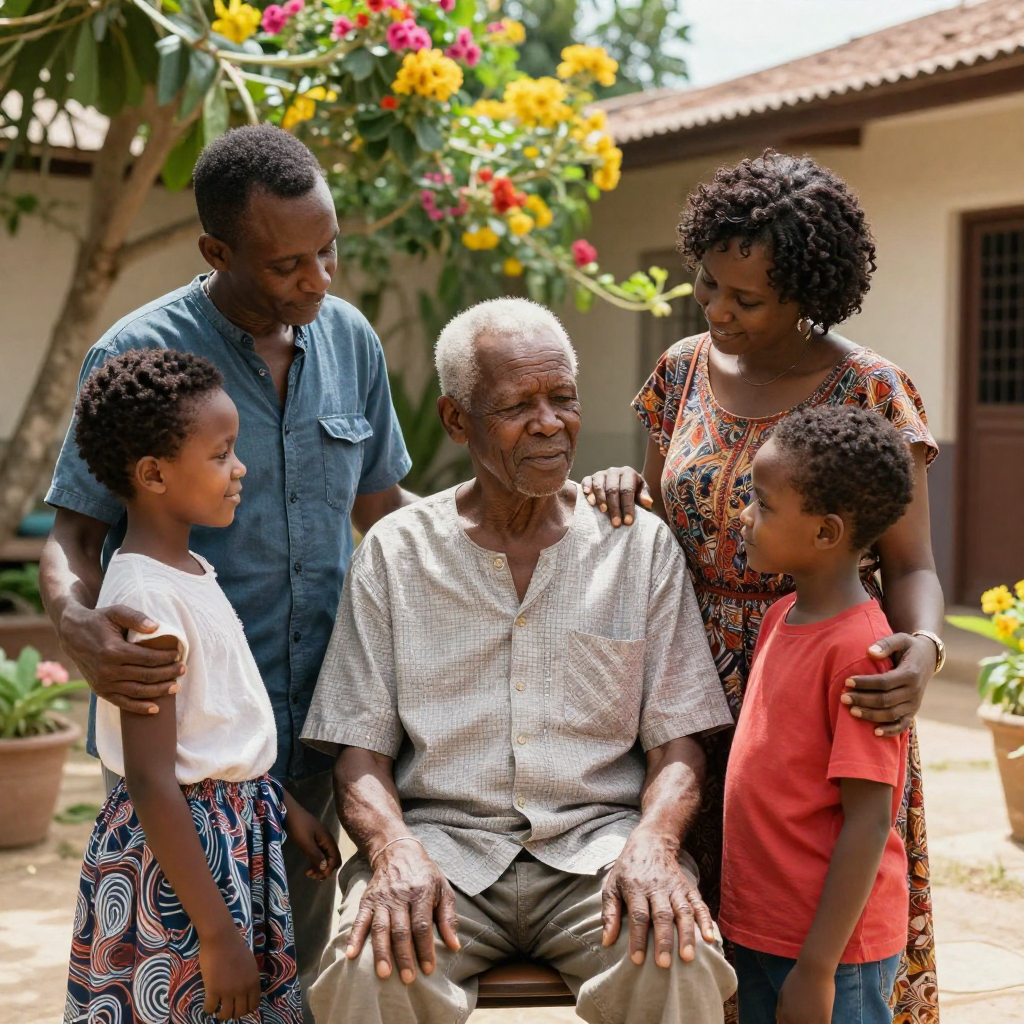
Africa is known globally for its youthful population, but behind that vibrant image a significant demographic shift is quietly unfolding: the continent’s elderly population is growing faster than ever before. This change brings both hope and urgent demands for improved care, services, and social support. Census.gov
📈 Africa’s Aging Landscape: Fast Growth & Future Projections
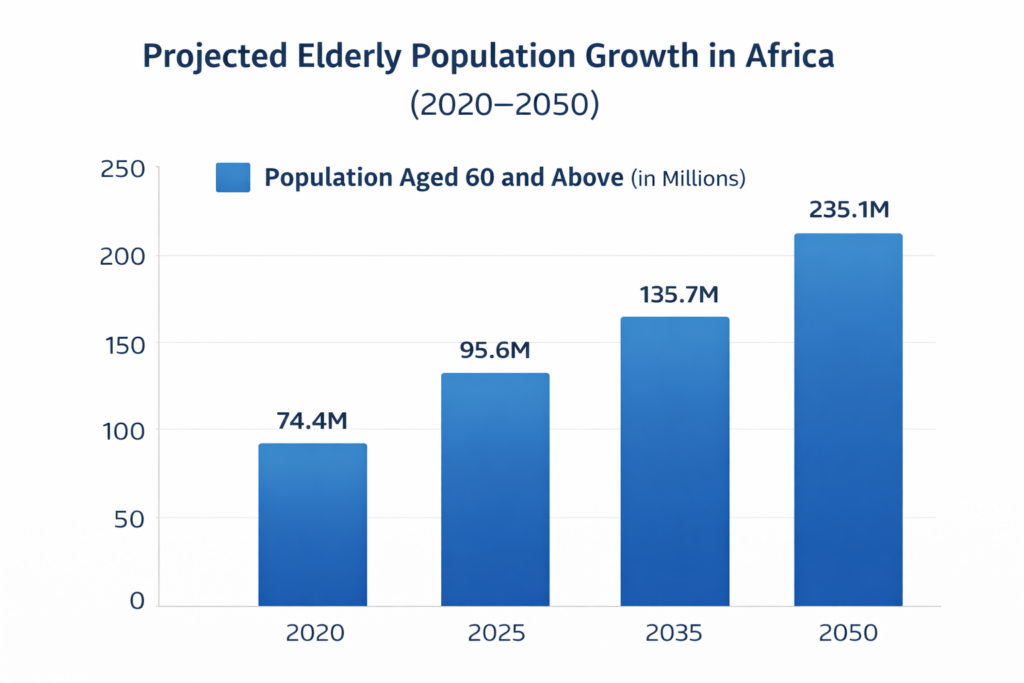
Africa’s older population — defined as adults aged 60 years and above — is increasing rapidly:
- 2020: ~74.4 million older adults.
- 2050: Projected to reach 235.1 million — three times higher than today’s numbers. Census.gov
- In sub-Saharan Africa, estimates show growth from about 43 million in 2010 to 163 million by 2050. WHO Africa
This growth is one of the fastest in the world, shaped by better healthcare, declining child mortality, and improvements in nutrition and sanitation — even as Africa still battles infectious diseases alongside rising chronic conditions.
“Old Age Is Not Something to Brag About Here.” — A Local Voice
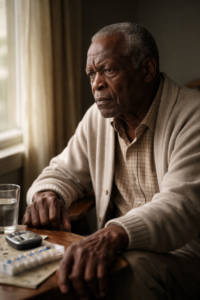
“Old age is not something to brag about here.” — A 75-year-old woman from rural Uganda, reflecting on her experience of aging without support.
This candid description from an elderly Ugandan woman captures the complex reality of aging in many African communities: respect and honor coexist with hardship, neglect, and limited support.
🌍 How Aging in Africa Is Different
1. High Rural Residency & Health Barriers
Many elders live in remote rural areas, where healthcare facilities may be distant and under-resourced. Only a small fraction have health insurance, and access to health services can be limited.
2. Shifting Disease Burdens
Africa still combats infectious diseases, yet noncommunicable diseases (NCDs) such as diabetes, heart disease, and hypertension are rising particularly among older adults.
3. Weak Social Safety Nets
Pensions and formal support systems are limited. Many older Africans have spent their lives in informal work, leaving little to no retirement savings.
Local Stories: Strength, Service & Daily Reality
📍 The Nurse on a Boda Boda
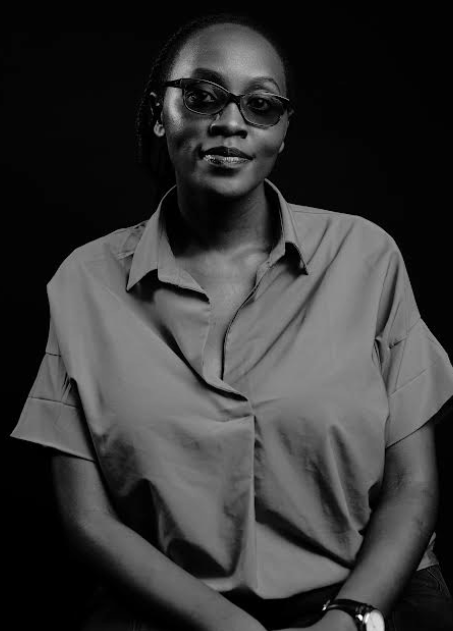
In the hills of Uganda, Winnie Katwesigye delivers care to seniors by motorcycle sometimes walking miles bringing basic medical assessments, blood pressure checks, and hygiene support to elders who might otherwise go days without care.
“I was called by God to love and serve,” Winnie says. Her work highlights how community commitment fills aging care gaps.
📍 Community Roles & Strength
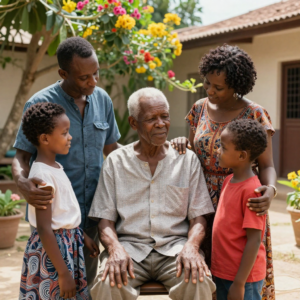
Older Africans often remain central to family life, caring for grandchildren, passing on traditions, and maintaining household cohesion, especially in “skipped-generation” families where parents are absent.
⚠️ Hard Truths: Risks & Vulnerabilities
Not all is vibrant strength some older adults face stigma, misunderstanding, and danger:
- In parts of rural Africa, elders with dementia have been wrongly accused of witchcraft and subjected to violence or banishment.
This underscores the urgent need for education, mental health awareness, and protections for vulnerable seniors.
Quotes That Resonate
“Seniors are not attractive… you see pain, you see suffering.” — Kenneth Mugayehwenkyi, founder of an elder care ministry.
“Most of the parts are in hilly areas where our seniors stay… I use a Boda Boda where it can reach.” — Winnie Katwesigye, community nurse caring for elders.
🌿 What Healthy Aging Looks Like in Africa
Healthy aging isn’t just medical — it’s physical, social, and emotional wellbeing. WHO emphasizes:
- Balanced nutrition
- Regular physical activity
- Social engagement
- Access to chronic disease management
These help maintain function and quality of life.
📌 Action Points: Supporting Aging in Africa
To ensure dignity and security for older Africans, coordinated efforts are needed:
1. Expand Healthcare & Screening
Train geriatric specialists, expand community health outreach, and improve chronic disease care.
2. Build Social Support Systems
Strengthen pensions, caregiver support, and community programs for older adults.
3. Increase Awareness & Education
Promote understanding of age-related conditions, like dementia, to reduce stigma.
4. Empower Community Solutions
Encourage NGOs, local health workers, and volunteers like Winnie to lead elder care innovations.
Conclusion: A Future of Possibility
Africa’s aging population is a testament to progress in health and longevity — but not yet a guarantee of quality life in later years. With strategic investment, cultural inclusion, and community-led care, societies can build support that honors elders as sources of wisdom, care, and continuity.
Let’s value every chapter of life from childhood dreams to the dignity of old age.